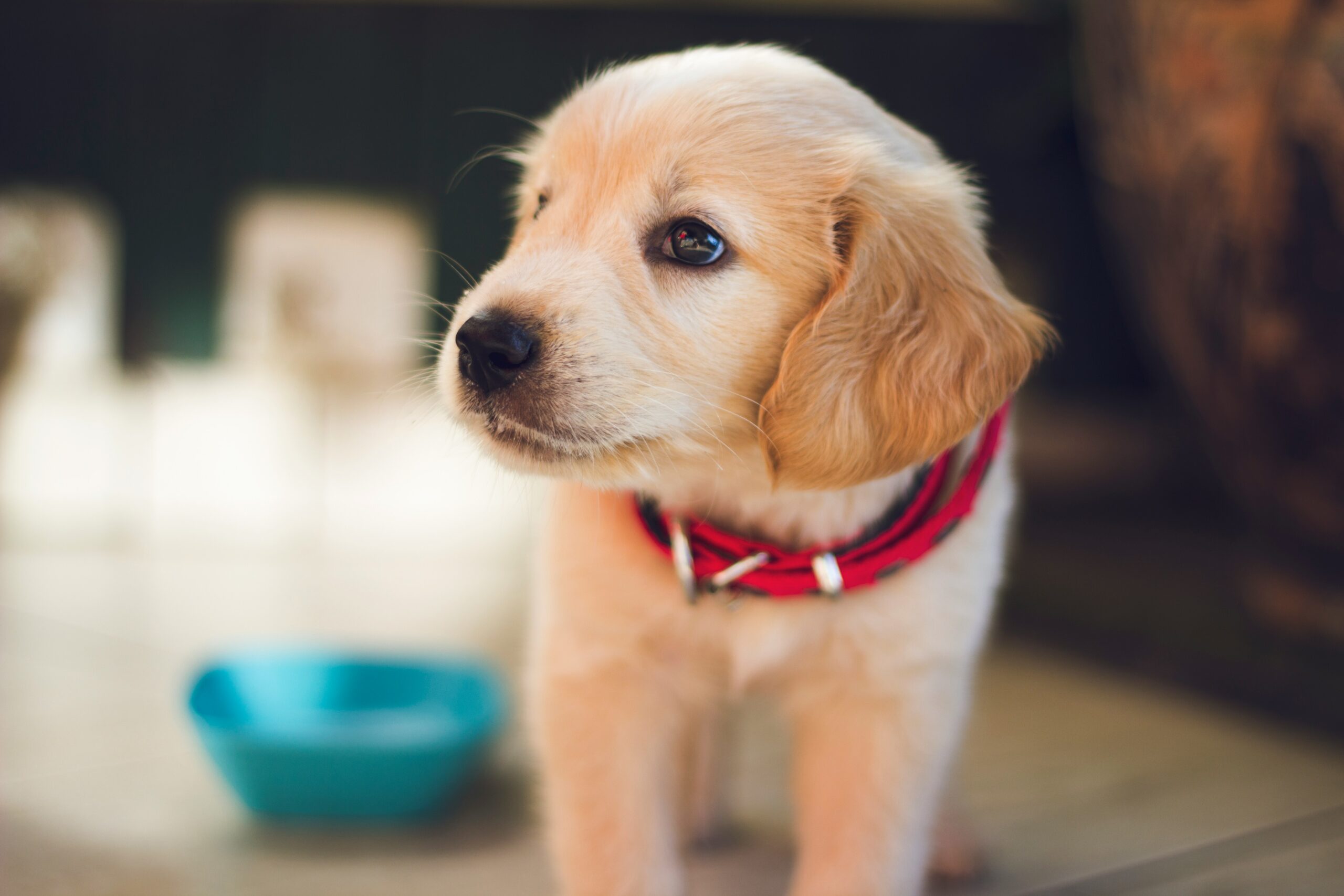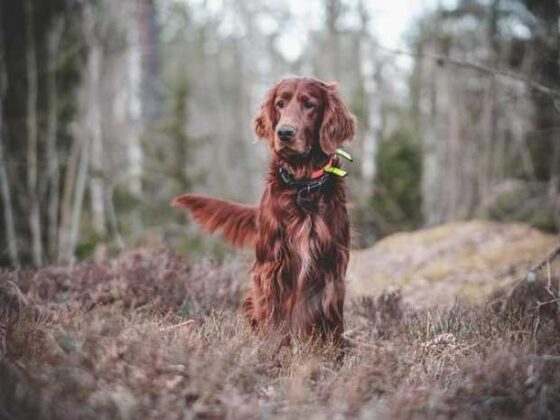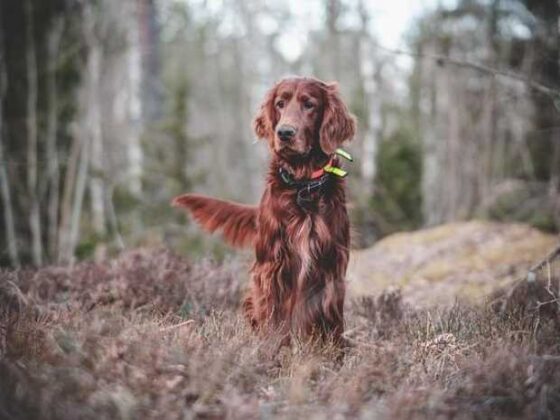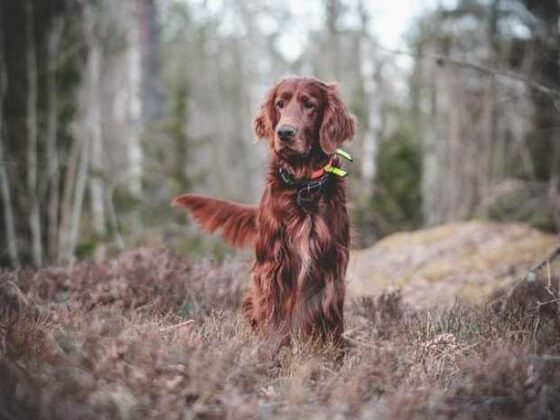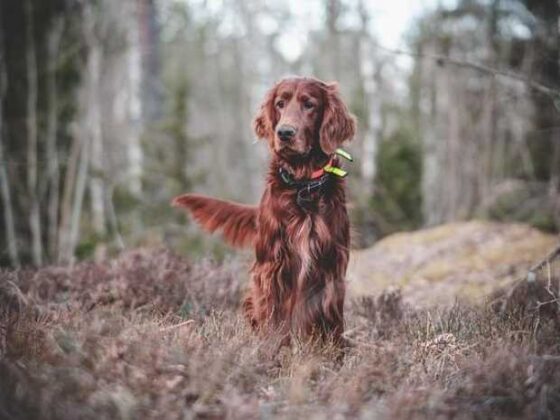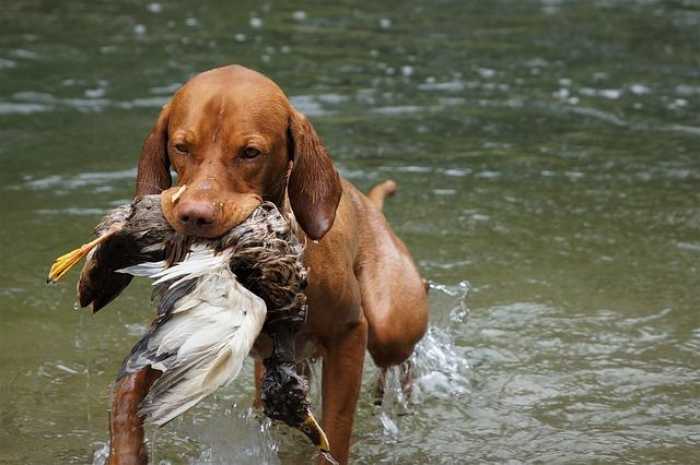
Hey there, fellow dog lovers! 🐾 If you’re a new pup parent ready to embark on your training journey, you’ve landed in the right place. Training your furry friend can feel like a daunting task, but it doesn’t have to be! Think of it as a fun bonding experience rather than a chore. In this article, we’re diving into some super simple and effective dog training tips that will have your four-legged buddy fetching like a pro in no time. Whether you’re dealing with a bouncy puppy or a stubborn rescue, we’ve got your back with the essential know-how to turn those training sessions into playful adventures. So grab a treat (or two) and let’s get started on making fetch more than just a game—it’s about building a happy, well-behaved pup and a stronger connection with your furry best friend! 🐶💖
Getting Started with Fetch: Choosing the Right Toys and Space
When diving into the world of fetch, choosing the right toys is key to ensuring your dog not only stays engaged but also has a blast. Here are some popular toy options to consider:
- Chuckit! Balls: Durable and easy to throw grate distances.
- Frisbees: Perfect for dogs that love to leap and catch in the air.
- Soft toys: Great for gentle chewers and those who prefer snuggling over fetching.
- Rope toys: Ideal for tugging after fetching, plus they’re sturdy!
Space also plays a crucial role in your fetch sessions. A wide, open area is ideal, but you can make it work in smaller spaces too. Here are a few considerations:
| Space type | Pros | Cons |
|---|---|---|
| Park | Lots of room and potential playmates! | Can be distracting due to other dogs and people. |
| Backyard | Private and familiar environment. | Limited space might restrict running. |
| Indoor room | Weatherproof fun! | Furniture can be hazardous and restrict movement. |
Mastering the Basics: Teach Your Pup to Retrieve with Easy Commands
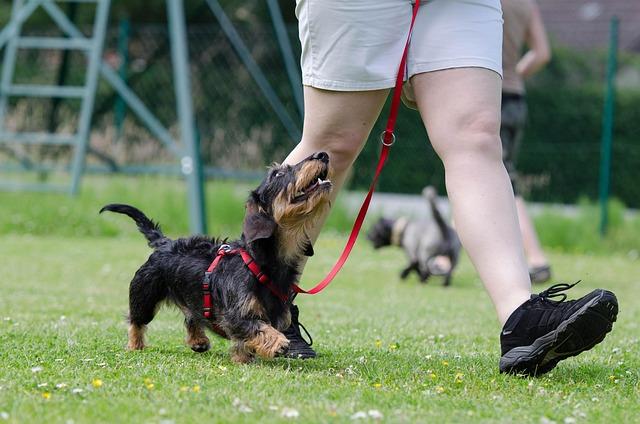
To set your pup up for success in retrieving, start with solid vocal commands that are easy for both you and your furry friend to grasp. Begin with “Fetch!” when you throw the toy, and then follow up with “Come!” as your dog brings it back. It’s essential to maintain an encouraging tone to keep your dog excited about the game. Consistency is key; use these commands throughout the training process, and always reward your dog when they successfully complete the action. This reinforces positive behavior and helps them associate the words with the tasks.
As your dog becomes more pleasant with the commands, you can add a few tricks to spice up the training. Consider the following tips:
- Practice in a distraction-free environment initially.
- Gradually increase the distance you throw the toy.
- Incorporate a favorite toy or ball to spark enthusiasm.
- Utilize treats as rewards to motivate your pup.
Patience and repetition will transform your pup into a master retriever in no time. With love, encouragement, and a few playful fetch sessions, you’ll soon enjoy a rewarding playtime that strengthens your bond!
Keeping It Fun: Tips for Making Fetch a Game Your Dog Loves
To keep your pup engaged during fetch, consider varying the toys you use. Dogs can get bored with the same old ball, so spice things up with options like frisbees, squeaky toys, or even plush animals. Rotate toys weekly to keep your dog guessing and excited about playtime. Additionally, try throwing the toy in different locations: a grassy field, a sandy beach, or even in shallow water. Changing the environment can create new challenges and adventures for your furry friend!
Another fun way to make fetch enjoyable is to incorporate rewards. After a accomplished retrieve, shower your dog with praise, treats, or even a rapid game of tug-of-war. This reinforces positive behavior and keeps your dog motivated to fetch again. You can also set a timer for short, energetic fetch sessions followed by play breaks to avoid overexertion and maintain enthusiasm. Creating a dynamic and lively atmosphere will ensure that fetch becomes a cherished routine for both you and your dog!
Troubleshooting Common Problems: What to Do When Fetch Goes Wrong
When your fetch game isn’t going as planned, don’t fret! Here are some common issues that might arise and simple fixes to get you back on track:
- Disinterest in the Fetch object: Some dogs might not find the toy appealing. Try switching it up! Experiment with different toys like frisbees, tennis balls, or squeaky toys.
- Not returning the Object: If your pup runs off with the toy, it might be a classic game of chase for them. Reinforce the “come” command by using treats or a favorite toy to encourage them to return the item.
- overexcitement: If your dog can’t focus due to too much excitement, consider playing in a quieter environment or practicing some calm exercises before starting fetch.
Sometimes, fetch failures happen due to miscommunication between you and your furry friend. A few tips to keep in mind:
- Use Consistent Commands: Consistency is key! Always use the same commands so your dog knows what is expected.
- Short Sessions: Keep fetch sessions brief but frequent. This keeps your dog engaged without overwhelming them.
- Positive Reinforcement: Celebrate your pup’s successes with treats and praise.This builds a strong association with fetch as a fun activity!
Q&A
Q&A: Fetch Success: Easy Dog Training Tips for Newbies!
Q1: Why is fetch such a great game for dogs?
A1: Fetch is like a dog’s version of an amusement park! It gets them moving,helps burn off energy,and strengthens the bond between you two. Plus,it taps into their natural instincts to chase and retrieve,making it a fun and stimulating activity. Trust me, your pooch will thank you for it!
Q2: How do I start teaching my dog to play fetch?
A2: Keep it simple! Start by choosing a toy your dog loves—whether it’s a ball, frisbee, or even a squeaky toy. Grab their attention with the toy, toss it just a few feet away, and encourage them to go after it. Your excitement will be contagious, and they’ll pick up on that energy!
Q3: My dog just stares at the toy rather of chasing it. What gives?
A3: Patience is key! Try to make the toy irresistible.wiggle it to get your dog curious, or even join in on the fun by running after it yourself. You might also want to try shorter distances at first to build their confidence and spark their interest.
Q4: How do I get my dog to bring the toy back to me?
A4: Ah,the classic ‘return’ dilemma! Use treats or their favorite toy to encourage them to come back. When they pick up the toy,call them back using a command like “come” or “bring it here.” When they do return, reward them with a treat or lots of praise—this helps reinforce the behavior!
Q5: What if my dog won’t drop the toy?
A5: It’s a common issue! Teaching the “drop it” command can work wonders. Use a treat to get their attention while they’re holding the toy, saying “drop it” in an keen tone. When they let go, give them the treat! They’ll start to connect dropping the toy with getting something good in return.
Q6: My dog loves to play fetch but gets tired quickly.what can I do?
A6: Crazed fetch marathon or lazy strolls, it’s all good! Start with shorter play sessions and gradually build up the duration as your pup gets fitter. Mix it up with breaks, some gentle fetch, or play tug-of-war during downtime. Remember, it’s all about quality time, not just quantity!
Q7: Any tips for making fetch more exciting?
A7: Absolutely! Spice it up with different toys to keep things fresh. try using a ball launcher to increase the distance without wearing yourself out. Incorporate some fun commands like “spin” or “jump” before they bring the toy back—it’ll keep your dog’s brain engaged and make fetch even more fun!
Q8: What are some common mistakes to avoid when teaching fetch?
A8: Avoid throwing the toy too far too soon; it can overwhelm your pup and make them lose interest. Also, don’t forget to keep it positive! If they don’t get it right away, be patient and refrain from getting frustrated. After all, positive vibes equal happy pups!
Q9: How can I tell if my dog is enjoying the game?
A9: Look out for wagging tails, playful barks, and excitement in their eyes. If they’re eager to chase the toy and bring it back to you, you’ve hit the fetch jackpot! If they start wandering off or looking uninterested, it might be time for a break.
Q10: Any final words of wisdom for newbie trainers?
A10: Remember to have fun! Fetch is a playful bonding experience, so don’t stress about perfecting every command right away. Every dog learns at their own pace,so celebrate the small victories. your enthusiasm will be contagious, and soon you’ll have a fetch champion on your hands!
Now, grab that toy and get ready to unleash some fun—happy fetching! 🐾
To Wrap It Up
And there you have it, folks! With these simple tips for mastering the art of fetch, you’ll be well on your way to impressing friends, neighbors, and your furry friend alike! Remember, training is all about patience and consistency (and a bit of fun, too!). Whether your pooch is a seasoned fetcher or just getting the hang of it, don’t forget to celebrate every small victory—those enthusiastic tail wags are proof of a job well done!
So grab your dog’s favorite ball, head to the park, and get ready for some tail-wagging action. If you have any more tips or fun stories about your own fetching fanatic, drop them in the comments below! Happy training, and may your fetch sessions be filled with joy and wagging tails! 🐾✨