Beginner’s Guide to Dog Training: Tips for Happy Pups!
Hey there, fellow dog lovers! 🐾 If you’ve just welcomed a furry friend into your home—or you’re thinking about it—congratulations! There’s nothing quite like the joy a dog brings to your life. But let’s be real: with great fluff comes great duty! Whether your pup is a rambunctious puppy or a wise old dog, training is key to building a happy and harmonious bond. In this guide, we’ll cover everything from basic commands to fun tricks, and even some handy tips to tackle those common canine conundrums. So grab a treat (for you and your pup), and let’s dive in to make sure your four-legged friend is as happy and well-behaved as can be! 🐶✨
Understanding your Pup’s Behavior and Needs
Every dog is unique, with their own personality traits and quirks that make them special. To effectively train your pup, you must first understand their behavior and recognize what they need to thrive. Dogs communicate through body language, so pay attention to their signals.For example, a wagging tail usually means your dog is happy, while a tucked tail may indicate fear or anxiety. By observing these cues, you can respond more appropriately and foster a stronger bond between you and your furry friend.
Meeting your dog’s needs goes beyond basic training; it involves considering their mental and physical well-being. Here are some essential aspects to focus on:
- Exercise: Regular walks and playtime are crucial for keeping your pup healthy and happy.
- Mental stimulation: Puzzle toys, training sessions, and interactive games can prevent boredom.
- Socialization: Introducing your dog to new environments and other pets helps them become well-adjusted.
When assessing your dog’s behavior,it can be helpful to track their reactions in different situations.Below is a simple table to help you identify common behaviors and their possible meanings:
| Behavior | Possible Meaning |
|---|---|
| Barking | Excitement, alertness, or a way to gain attention |
| Chewing | Teething, boredom, or anxiety |
| Rolling over | Trust and submission |
Essential Commands Every Dog Should Know
Training your furry friend in essential commands not only enhances their behavior but also strengthens your bond. Here are some commands that every dog should know to create a harmonious surroundings:
- Sit: A foundational command to get your dog to calm down and focus.
- stay: Teaching your dog to stay in one place can be a lifesaver in manny situations.
- Come: A vital command to ensure that your pup comes back to you when called, keeping them safe.
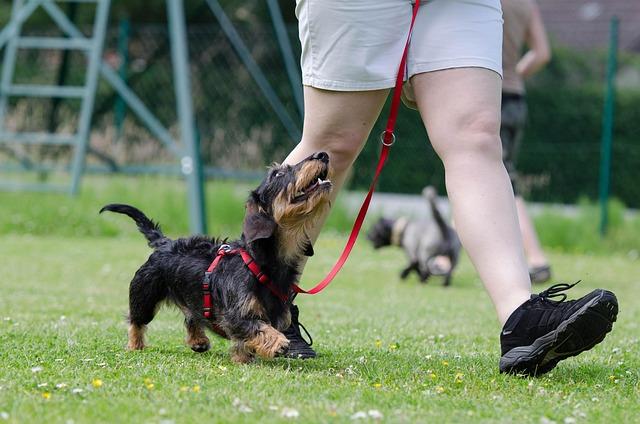
- Heel: This helps your dog walk beside you on a leash without pulling, making walks enjoyable.
- Leave it: Invaluable for preventing your dog from picking up things they shouldn’t.
To simplify the training process, it’s helpful to use a consistent method and positive reinforcement. Here’s a rapid overview in table format:
| Command | Purpose | Tip |
|---|---|---|
| Sit | Helps calm your dog | use a treat above their head to guide them. |
| Stay | Prevents movement | Gradually increase the time before rewarding. |
| Come | Ensures safety | always reward with praise and treats upon returning. |
| Heel | Better leash manners | Use a short leash and remain consistent. |
| Leave it | Protect your dog from harmful items | practice with low-value distractions first. |
Positive Reinforcement: The Secret Sauce of training
When it comes to training your furry friend, positive reinforcement is the name of the game! It’s all about rewarding good behavior rather than punishing bad behavior. By praising your dog for their accomplishments, even the smallest ones, you build a bond of trust and create an environment where learning is fun. This technique taps into their natural instincts for pleasure and encourages them to repeat those behaviors that earn them treats, praise, or playtime. Consistency and enthusiasm are key ingredients in this process. Here are some effective rewards to consider:
- Treats: Small, tasty morsels that your pup loves!
- Verbal Praise: Use a happy tone to let them know they did well.
- Playtime: Incorporate their favorite toy for a fun distraction.
- Physical Affection: A good belly rub can make all the difference.
Tracking your dog’s progress can also add a layer of accountability to your training routine. Consider implementing a simple chart to keep tabs on what behaviors you’re reinforcing. This way, you can visualize their growth and adjust your approach as needed. Here’s a quick example of how you might structure your training goals:
| Behavior | Reward | Progress |
|---|---|---|
| Sit | Treat + Praise | ✔️ Achieved in 2 days |
| Stay | Toy Playtime | ✔️ Achieved in 1 week |
| Come | Verbal Praise | ✔️ Ongoing |
This combination of positive rewards and tracking not only reinforces good behavior but also keeps you both motivated throughout the training journey.So, get ready to shower your pup with love, and watch them flourish!
Creating a Fun Training Routine for Your Fur Baby
training your fur baby should never feel like a chore; it should be a time filled with joy and excitement for both of you! To create a fun training routine, start by incorporating playtime into your sessions. Consider mixing in games like fetch or tug-of-war while teaching commands. This approach not only keeps your pup engaged but also strengthens your bond. Let’s make your training sessions thrilling! Here are some fun ideas:
- use treats creatively: Try hiding treats around your space and let your dog find them while practicing commands.
- Incorporate agility tools: Set up a mini obstacle course with items you have at home.
- Make it social: Invite friends and their dogs for group training sessions; this helps your pup learn to focus amid distractions.
Now, let’s talk rhythm! Dogs thrive on consistency, so find a training routine that meshes well with their energy levels. You might want to try short sessions throughout the day. Aim for 15-20 minute bursts so your pup remains enthusiastic rather than overwhelmed. here’s a simple weekly structure you can follow:
| Day | Activity | Focus |
|---|---|---|
| Monday | Basic Commands | Sit, Stay, Come |
| Wednesday | Playtime with Retrieval | Fetch & Return |
| Friday | obstacle Course | Improve Agility |
Have fun mixing and matching different activities throughout the week! The key is to keep it light, engaging, and full of positive reinforcement. After all, a happy dog equals a happy life!
Q&A
Beginner’s Guide to Dog Training: Tips for Happy Pups!
Q&A
Q1: Why is dog training critically important?
A: Think of it this way: just like humans need rules and boundaries, pups do too! Training helps establish good behavior, strengthens your bond, and keeps your dog safe. Plus, a well-trained dog is a happy dog!
Q2: What’s the best age to start training my dog?
A: The sooner, the better! Puppies can start learning basic commands as early as 7 to 8 weeks. But don’t worry if you’ve got an older dog—it’s never too late to learn!
Q3: What basic commands should I teach my dog first?
A: Start with the “big three”: Sit, Stay, and Come.These commands are essential for everyday life and help keep your pup safe. Once they’ve mastered those, you can move on to fun tricks like Roll Over or Shake!
Q4: how do I keep my dog motivated during training?
A: Treats are your best friends! Use yummy snacks, praise, and plenty of pets as rewards. Most dogs love some good ol’ “Good boy!” or “You’re the best!” Give them a reason to want to learn!
Q5: What if my dog doesn’t seem to get it?
A: Patience is key! Every dog learns at their own pace. If they’re struggling, try breaking the command down into smaller steps or switching up your training location to minimize distractions. And most importantly, keep it fun!
Q6: How long should training sessions be?
A: Short and sweet is the name of the game! Aim for 5-10 minute sessions a few times a day.Dogs have a short attention span, so keeping it brief helps keep them engaged without overwhelming them.
Q7: Can I train my dog myself,or should I hire a professional?
A: You can definitely train your dog yourself! With some patience,love,and our handy tips,you can build a great foundation. But if you feel stuck or want to fine-tune specific skills, hiring a professional can be super beneficial.
Q8: What should I avoid when training my dog?
A: Avoid punishment! It can create fear and confusion. Instead,focus on positive reinforcement. And remember,consistency is crucial—if you let your pup get away with something one day,they won’t understand why it’s not okay the next!
Q9: How often should I train my dog?
A: Regular practice is important! Try to incorporate training into your daily routine—maybe during walks or playtime. The more consistent you are, the more success you’ll have!
Q10: Any final tips for new dog trainers?
A: Enjoy the process! training should be a fun bonding experience between you and your pup. Celebrate the little victories, stay patient, and don’t hesitate to ask for help when you need it. Happy training!
Wrapping Up
And there you have it, folks! With these tips in your training toolkit, you’re well on your way to having a happy, well-behaved pup by your side. Remember, consistency is key, and every little step counts. Training should be a fun and rewarding experience for both you and your furry friend, so don’t forget to sprinkle in some playtime and plenty of love.Whether you’re struggling with puppy nibbles or aiming for that perfect recall, just take it one paw at a time. Keep those treats handy, stay patient, and most importantly, enjoy the journey! Your doggo is learning just as much as you are, so embrace the goofy moments, the tail wags, and even the little hiccups along the way.
Got any training tips of your own or hilarious training stories? Share them in the comments below! Happy training, and give your pup a belly rub from us! 🐾❤️