Introduction:
hey there, fellow dog lovers! 🐾 Are you ready to turn your furry friend into teh well-behaved companion of your dreams? If training your pup feels like a daunting task or you’re tired of those puppy eyes begging for treats as they chew your favorite shoes, you’re in the right place! Welcome to “Mastering Dog Training at Home: Tips for Pawesome Results!” In this article, we’re diving into some fun, effective, and totally doable strategies to help you train your dog right from the comfort of your living room (or backyard, or wherever you and your pup feel most at home!). Whether you’ve got a rambunctious puppy or a wise old friend, we’ve got the tips to make training a tail-wagging success.So grab some treats, get comfy, and let’s unleash those pawesome training techniques together! 🐶✨
Getting Started with the Basics: Set your Pup Up for Success
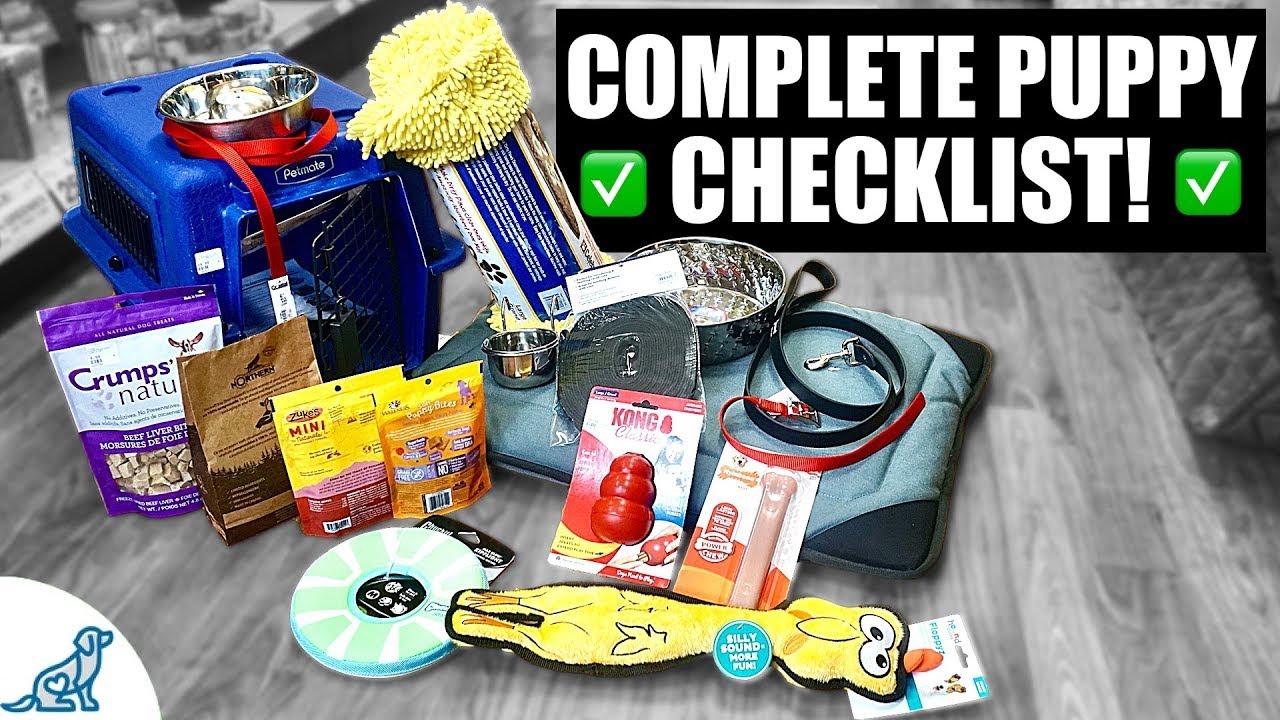
Setting a solid foundation for your furry friend starts with creating a positive environment that encourages learning and exploration. Choose a designated training area in your home—ideally a quiet space free from distractions. Here are some essentials to consider for your setup:
- Comfortable Space: Ensure your pup has a cozy spot to relax in between training sessions.
- Training Tools: Equip yourself with treats,clickers,and toys that will make training fun and effective.
- Consistent Schedule: Establish a routine for training sessions to help your dog know when it’s time to learn.
Once your space is ready, focus on basic commands to form a bond and build trust. Start with simple yet essential commands like “sit,” “stay,” and “come.” Practice these consistently, using positive reinforcement techniques to reward good behavior. Here’s a rapid reference table for some key commands:
| command | Action | Reward |
|---|---|---|
| Sit | Pup sits on their hind legs | treat + Praise |
| Stay | Pup remains in place until released | chew Toy + Cheerful Voice |
| Come | Pup approaches you on command | Favorite Snack + Belly Rubs |
Fun and Games: Engaging Training Techniques Your Dog Will Love
Transform your training sessions into a delightful playtime experience with some fun activities that will keep both you and your furry friend engaged! Interactive games not only help reinforce commands but also build a stronger bond between you. Try incorporating games such as:
- Tug-of-War: A great energy burner; just remember to let your dog win sometimes!
- Hide and Seek: Hide somewhere in your house and call your pup; reward them with a treat when they find you!
- Obstacle Courses: Set up a mini course using household items—think chairs, boxes, and pillows—and guide your dog through the challenges!
To keep things exciting, rotate games regularly and introduce new challenges to keep your dog on their toes. you can always use a simple table to track your dog’s progress and preferences during these fun activities. Here’s an easy way to observe which games your dog enjoys most:
| Game | Dog’s Response (1-5) | Notes |
|---|---|---|
| Tug-of-war | 4 | Gets very excited and playful |
| Hide and Seek | 5 | Loves the thrill of finding! |
| Obstacle Course | 3 | Enjoys navigating but limits energy |
Building a Strong Bond: The Importance of Positive Reinforcement
When it comes to training our furry friends, nothing beats the power of positive reinforcement. This technique not only helps your dog learn desired behaviors but also strengthens the bond between you and your pup. Rather of using harsh methods or negative feedback, rewarding your dog for good behavior creates a happy learning environment. Your dog will be more motivated to repeat behaviors that make you happy, fostering a sense of trust and partnership in your training sessions.
Here are some key points to consider when implementing positive reinforcement:
- Timing is Everything: Make sure to reward your dog immediately after they perform the desired behavior. This helps them make the connection between the action and the reward.
- Variety of Rewards: different dogs respond to different rewards. Some might love treats, while others might prefer toys or praise. Discover what works best for your dog!
- Keep it Consistent: use the same cues and rewards consistently so your dog understands what you’re asking of them.
- Patience is Key: Remember, learning takes time. Celebrate small successes and be patient as your dog continues to learn.
Common Challenges and How to Tackle Them Like a Pro
Training your dog at home can seem daunting, especially when faced with common hurdles like distractions, inconsistency, or a stubborn pup. To tackle these challenges effectively, start by establishing a designated training space. This area should be quiet and free from distractions, such as loud noises or other pets. consistency is key, so ensure that everyone in the household follows the same training commands and rules. Regular short training sessions of 5-10 minutes work wonders, as dogs learn better when they are engaged without getting overwhelmed. Don’t forget to integrate positive reinforcement techniques; rewarding good behavior with treats, praise, or play keeps the energy high and your furry friend motivated!
Another common issue is handling a dog that loses focus during training.To keep your pup engaged, you might want to incorporate fun and interactive games into your routine. Consider using toys or treats as incentives, or mix in a few quick commands between playful sessions to keep things fresh. if your dog appears particularly stubborn,practice patience and allow for frequent breaks. Every dog learns at their own pace, and celebrating small victories can boost their confidence. Lastly,if you find your pooch stuck in a behavior rut,don’t hesitate to seek out a local trainer or online resources for fresh ideas to spice up your training sessions.
Q&A
Q&A: Mastering Dog training at Home: Tips for Pawesome Results!
Q: Can I really train my dog effectively at home,or do I need a professional?
A: Absolutely,you can train your dog at home! With the right approach and some dedication,you can achieve pawesome results. Professional trainers are great, but many dog owners successfully teach their pups basic commands, manners, and tricks right in the living room. Just remember, it’s all about consistency, patience, and a whole lot of love.
Q: What are some basic commands every dog should know?
A: Start with these must-know commands: “Sit,” “Stay,” “Come,” “Down,” and “Leave It.” these commands create a foundation for better behavior and a stronger bond between you and your furry friend. Once your pup has mastered these, you can move on to fun tricks like “roll Over” or “Shake.” It’s all about building upon those basics!
Q: how do I keep my dog motivated during training?
A: treats are a pup’s best friend! Use small, yummy rewards to keep your furry friend motivated.You can also mix in playtime or their favorite toy as a reward. positive reinforcement is key—praise them with lots of excitement when they do something right. Dogs thrive on affection, so be generous with the love!
Q: How long should training sessions be?
A: Keep it short and sweet! Aim for 5-10 minutes per session, especially for younger dogs or those with short attention spans. You can always do multiple sessions throughout the day. The goal is to make training fun, so keeping it engaging will help your pup stay focused and eager to learn.
Q: What if my dog isn’t picking up commands?
A: No worries! Every dog learns at their own pace. If your pup isn’t getting it, try breaking the command down into smaller steps or using different rewards. It coudl be that your training setup needs tweaking—make sure there are minimal distractions. Plus, don’t forget to mix in plenty of praise!
Q: Can I train my dog using just voice commands?
A: Voice commands are super important, but mixing in some hand signals can enhance their understanding. Dogs are visual learners, and pairing your commands with gestures can help reinforce what you’re teaching. So go ahead and combine those words with some fun hand motions for added clarity!
Q: What are some common mistakes to avoid during training?
A: One biggie is inconsistency—try to use the same commands and cues every time. Another mistake is rushing the process. Training takes time, and it’s totally okay to have some off days. Lastly, avoid using negative reinforcement. Focus on the positives and encourage your dog to succeed. remember, a happy dog learns better!
Q: How do I deal with stubborn behaviors?
A: Stubbornness can be tricky, but persistence is your best friend. If your dog is resistant, find out what motivates them—some pups respond better to food, while others may prefer play. If a behavior is particularly stubborn, it might help to reassess your training techniques.Don’t forget to take breaks and let your dog relax; a calm pup is more open to learning!
Q: Any final tips for success at home?
A: Always keep it fun and engaging! Training should feel like a game for your dog. Be patient with your furry companion,and don’t forget to celebrate all those little victories along the way. And most importantly,build that bond through love and trust—your dog will feel it,and it’ll make all the difference in your training journey! Ready to get started? Go fetch those treats! 🐾✨
To Conclude
And there you have it,folks! You’re now equipped with a treasure trove of tips to turn your home into a canine training paradise. Remember, consistency and patience are key—just like your dog’s love for treats! Whether you’re teaching Fido to fetch or helping Bella learn the art of the perfect sit, the bond you build through training is priceless.
So grab those treats, roll up your sleeves, and get ready to embark on this pawsome journey together! Don’t forget to share your training adventures in the comments below—we love hearing from fellow dog parents! Happy training, and may your days be filled with wagging tails and happy barks! 🐾💖