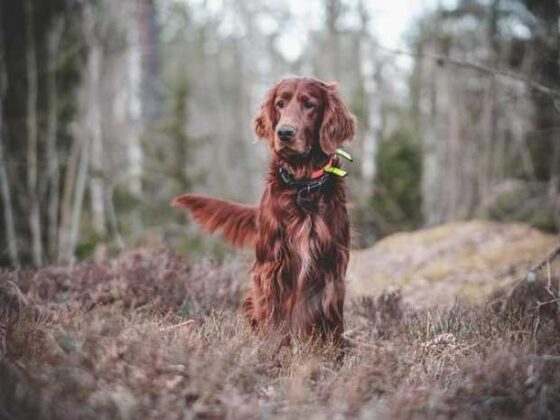
Hey there, fellow dog lovers! 🐾 Are you ready to turn your living room into the ultimate training ground for your furry friend? Whether you’re a seasoned dog parent or a fresh-faced pup owner, the thought of training at home can feel a bit overwhelming (and let’s be honest, sometimes a little boring). But fear not! We’re here to spice things up and show you that training your dog doesn’t have to be a chore—it can actually be a blast! With a sprinkle of creativity,some tasty treats,and a whole lot of tail-wagging fun,you can nibble your way to training success right in your own home.So grab those treats and let’s dive into the wonderful world of home dog training, where the only thing better than learning new tricks is sharing some quality bonding time with your best buddy. Ready, set, let’s fetch some fun! 🐶✨
Unleashing the Fun: Creative Games to Engage Your Pup at Home
Keeping your dog entertained at home can be a blast with the right games. Here’s a deliciously fun way to engage your pup: Turn training into a game by using treats! Start with simple commands like “sit,” “stay,” and “come.” Make it exciting by incorporating a treasure hunt where your dog has to find the treats hidden throughout your house. Break out some energy by playing tug-of-war with a rope toy, and don’t forget to let your dog win sometimes—it’s great for their confidence!
Another exciting way to stimulate your dog’s brain is through puzzle toys or DIY games. Create a mini agility course using cones or cushions, or utilize common household items to build obstacles for them to maneuver through. You can also try out the classic game of fetch in your living room or backyard.Just remember to keep the space safe and clear of breakables! Here’s a swift reference table to help you visualize some fun ideas:
| Game Idea | Materials Needed | Training Aspect |
|---|---|---|
| Treasure Hunt | Dog treats, hidden spots | Recall & Scent work |
| Tug-of-War | Rope toy or old towel | Strength & Bonding |
| DIY Agility Course | Cones, cushions, chairs | Agility & Focus |
| Fetch | Ball or frisbee | Retrieve & Energy Release |
Bite-Sized Learning: Essential Commands Every Dog Should master
When it comes to dog training, consistency is key, and breaking down lessons into manageable chunks makes it a breeze! Think of essential commands as building blocks in your pup’s training journey. Here are some of the must-master commands that every well-behaved dog should know:
- Sit: A foundational command that helps with impulse control.
- Stay: Perfect for keeping your furry friend in one spot, especially in distracting environments.
- Come: A lifesaver when your dog decides to chase after a squirrel!
- Leave it: Essential for keeping your pup safe from harmful substances.
Don’t fret if your dog doesn’t catch on instantly—training is all about practice and patience. To make the learning process even more interactive, try using a fun reward system. Below is a simple table to illustrate what motivates your dog the most:
| Reward Type | Dog’s Favorite |
|---|---|
| Treats | Peanut butter biscuits |
| Toys | Squeaky bone |
| Praise | Excited petting! |
By utilizing these commands and incorporating enjoyable incentives,you’re setting the stage for productive practice sessions that your dog will genuinely look forward to! Remember,the more fun you both have,the more engaged your pup will be!
Snack Time Secrets: Using Treats to Boost Training Motivation
When it comes to training your furry friend, treats can play a pivotal role in keeping their enthusiasm high. Incorporating snacks into your training sessions creates a fun and engaging surroundings. Here are some *delicious* and *effective* ways to boost motivation:
- Choose Quality Treats: Opt for high-value rewards that really get your pup excited. Think of things like tiny pieces of cheese, cooked chicken, or even freeze-dried liver!
- Vary the Rewards: Keep things fascinating by rotating different treats. This prevents your dog from becoming bored with their training routine.
- small Portions: Remember, size matters! Use tiny bits of treats; this way, your pup won’t fill up too quickly and can enjoy multiple rewards during a session.
Along with choosing the right treats, timing and presentation can elevate the training experience.For instance, make it a game by hiding treats around the house and encouraging your dog to find them as part of a search command. Consider using a simple table to track the types of treats used and the corresponding responses from your dog:
| Treat Type | Dog’s Reaction |
|---|---|
| Pet Treats | Tail Wagging & Eager Response |
| Homemade Chicken Bits | Jumping & Excited Barking |
| Cheese Cubes | Instant Focus & Attention |
Combining treat-based rewards with creative games enhances your training sessions while also strengthening the bond between you and your dog. Happy training!
Creating a Tail-Wagging Routine: Tips for Consistent and Effective Practice
Establishing a routine is essential for effective dog training, especially when trying to make it a fun experience at home! Aim to set specific times each day dedicated to training that fit seamlessly into your schedule. Consistency is key, so try to train simultaneously occurring every day—morning or evening, whatever works best for you. You could also incorporate training sessions into daily activities, such as when you’re preparing meals or taking breaks. A few short sessions of about 5-10 minutes are much more effective than one longer session, keeping your furry friend engaged and eager to learn!
during training, use positive reinforcement to boost your pup’s motivation. Reward them with treats, praise, or a favorite toy whenever they correctly follow a command. Here are some additional tips to keep your training routine exciting:
- Change up the training location to keep things fresh!
- Introduce new commands or tricks at least once a week.
- Make it a game—use agility courses or hide-and-seek to reinforce commands.
To help track progress, consider keeping a training log. This could be a simple table where you jot down what your dog learned each day, their successes, and areas where they need extra practice:
| Date | Command/Trick | Successes | Notes |
|---|---|---|---|
| 10/01/2023 | Sit | 5 | Great focus! |
| 10/02/2023 | Shake | 3 | still needs some work. |
Q&A
Q&A: Nibble Your Way to Success: Fun Dog Training at Home!
Q: What’s the main idea behind “nibble Your Way to Success”?
A: The whole concept is about making training fun and engaging for both you and your pup! Rather of customary boring drills, we’re incorporating playtime and yummy treats to create a positive atmosphere that promotes learning. Think of it as a tasty journey towards better behavior!
Q: Why is it vital to train your dog at home?
A: Training at home helps create a pleasant environment for your dog.Plus, it reinforces the bond between you two! You don’t need to spend a fortune on obedience classes when you can have just as much fun teaching your pup right from your living room—or even your backyard!
Q: What are some basic commands I should teach my dog?
A: Start with the classics: “Sit,” “Stay,” “Come,” and “Down” are must-haves! Once your dog has mastered these, you can get creative with trick training – showcasing their charisma with “Shake” or “Roll Over” makes for impressive party tricks that’ll wow your friends!
Q: How can I keep my dog engaged during training sessions?
A: Variety is key! Mix things up by changing the location of your training, switching between commands, and using different toys or treats as rewards.You could even integrate puzzle toys to stimulate their minds while still reinforcing behavior.It’s all about keeping it fun!
Q: What kind of treats should I use for training?
A: Go for something that’s super tasty but doesn’t create a mess! Treats that are small, soft, and smelly usually work like a charm. You can also try bits of cooked chicken,cheese,or even some commercial treats designed specifically for training. Just make sure to adjust their meals accordingly so your pup doesn’t gain extra fluff!
Q: I struggle with my dog being distracted during training. Any tips?
A: Ah,the classic case of the squirrel! Start your training in a quiet,familiar space where there are fewer distractions. Gradually introduce new environments as your dog learns.If they get distracted, gently bring them back to focus using a treat or toy—like saying, “Hey, I’m more interesting than that! Look at me!”
Q: How often should I train my dog?
A: consistency is key! Aim for short sessions of about 5-10 minutes a couple of times a day. This keeps their attention and makes learning less overwhelming. Celebrate those small victories and take breaks to keep it all positive—no one wants to train when they feel fatigued!
Q: Can I train my dog without using treats?
A: Absolutely! While treats work wonders, positive reinforcement can come in many forms—praise, pets, or playtime. Ultimately, it’s all about what motivates your dog. Find what they love, and use that as a reward!
Q: How do I tell if my dog is having fun during training?
A: if your dog is wagging their tail, eagerly responding, and jumping around, you’re golden! watch for a relaxed posture and happy demeanor. if they seem bored or disinterested, it might be time to switch things up!
Q: Any final tips for success?
A: Keep it light and breezy! Remember, training should be a joyful experience for both of you. Celebrate every little win, and don’t be too hard on either of you. Every session is a step toward a well-rounded pup and an awesome bond between you two. So, grab those treats and get started—it’s time to nibble your way to success! 🐾✨
with these Q&As, you’ll be all set to enjoy wonderful moments of learning and laughter with your furry friend. Happy training!
Insights and Conclusions
And there you have it, friends! Training your furry buddy at home doesn’t have to be a chore it can be a blast—full of treats, tail wags, and lots of giggles along the way. With a sprinkle of patience and a generous dash of fun, you’ll be well on your way to mastering all those nifty tricks and commands that’ll have your pup strutting their stuff like the superstar they are.
So grab those treats, set up your mini training area, and remember—every little nibble of progress counts! Whether you’re teaching “sit” or that impressive “roll over” move, make it enjoyable for both of you. Plus, who doesn’t love seeing their best friend learn something new?
Now go on, unleash the fun, and enjoy the training journey together. Your dog will adore you for it, and who knows? You both might just become the next viral sensation on social media! Happy training, and see you in the next blog! 🐾✨