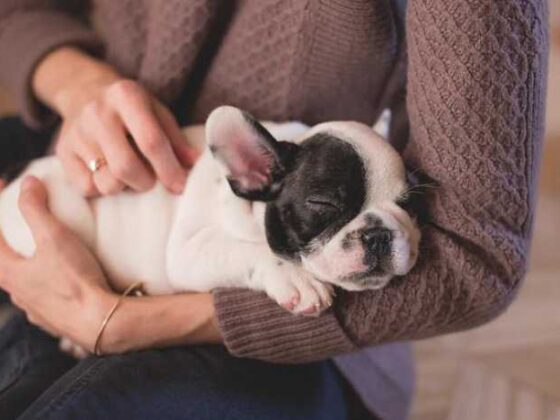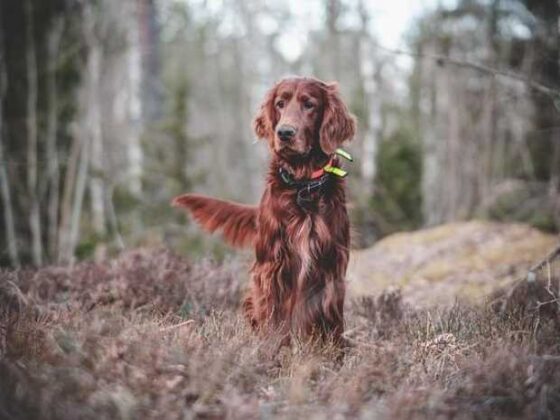
Hey there, fellow dog lovers! 🐾 so, you’ve just welcomed a furry bundle of joy into your home, and now you might be feeling both excited and a wee bit overwhelmed. Don’t worry—we’ve all been there! Training a new pup can be a bit like trying to teach a toddler how to use a spoon (cue the mess!). But here’s the good news: with some patience, a sprinkle of humor, and a few essential training tips up your sleeve, you’ll be well on your way to having a happy and well-behaved companion. Whether you’re dealing with a rambunctious puppy or a rescue dog that needs a little extra love, this guide is packed with practical advice to help you navigate those early days. So grab a treat (for both you and your dog), and let’s fetch some fantastic training tips that’ll make your journey together a whole lot smoother! 🐶✨
Getting Started with Basic Commands Every Pup Should Know
Teaching your furry friend some basic commands is the first step in building a solid foundation for a well-behaved pup. Start with commands like sit, stay, and come. these are not just useful for daily interactions but also enhance safety during walks and in public places. Consistency is key; always use the same commands and rewards to reinforce good behavior. You can make training more engaging with these techniques:
- Keep sessions short and fun—about 5 to 10 minutes.
- use high-value treats as incentives when your pup follows your command.
- Incorporate playtime as a reward to strengthen your bond.
Once your pooch masters the basics, you can move on to slightly advanced commands, such as leave it, heel, and down. These commands can prevent unwanted behaviors and help your dog navigate various situations gracefully. To track progress, consider using a simple chart to monitor your pupS learning milestones. Check out the example below:
| Command | Description | Progress |
|---|---|---|
| Sit | Dog sits on command. | ✔️ |
| Stay | Dog stays in place until released. | ✔️ |
| Come | Dog comes to you when called. | ✔️ |
The Magic of Positive Reinforcement and Why It Works
when it comes to training your furry friend, nothing beats the power of positive reinforcement.It’s all about rewarding your pup for good behavior instead of punishing them for the bad. This method taps into your dog’s natural desire to please you, making training not only effective but also enjoyable for both of you. By using treats, praise, or playtime as rewards, you create a fun learning environment where your dog feels confident and valued. This bond built on trust can lead to amazing results!
Here are a few reasons why positive reinforcement is a game-changer in dog training:
- Increased Motivation: Dogs are more likely to repeat actions when they know good things come from it!
- Strengthened Bond: Sharing rewards fosters a connection between you and your pup.
- better Retention: Dogs remember better when they associate actions with positive outcomes.
- Gentler Approach: This method is kinder and reduces anxiety for your pet.
Check out this handy table that summarizes the benefits:
| Benefit | Description |
|---|---|
| Motivation | Enhances eagerness to learn and obey commands. |
| Bonding | Creates a loving, trusting relationship. |
| Retention | Improves memory of commands and tricks learned. |
| Gentleness | Promotes a stress-free training experience. |
socialization Secrets: Helping Your Dog Make Friends
Common Mistakes New Dog Owners Make and How to Avoid them
Many new dog owners unknowingly set themselves up for challenges by making a few common blunders. One of the biggest pitfalls is inconsistent training. When commands are given sporadically or rules are not clearly defined, dogs can become confused about what behavior is expected of them. To prevent this, it’s essential to establish a clear set of rules and stick to them. Additionally, always use the same cues for commands. This way, your pup will learn faster and grow more confident in their understanding.
Another frequent mistake involves neglecting socialization. Many owners think that a simple walk around the block is enough, but exposing your dog to different environments, people, and other pets is crucial for their development. To avoid creating a timid or overly aggressive dog, consider implementing regular playdates or puppy classes. Here’s a fast table showing some effective ways to socialize your pup:
| Activity | Benefits |
|---|---|
| Group Puppy Classes | Builds confidence and teaches basic commands |
| Visits to Dog Parks | Encourages play with other dogs |
| Public Outings | Exposes them to new sights and sounds |
| Home Visits from Friends | Introduces varied human interaction |
Q&A
Q&A: Fetch These Essential Dog Training Tips for Newbies!
Q: What’s the first step I should take when training my new puppy?
A: The very first step is to build a solid bond with your pup! Spend some quality time playing, cuddling, and simply getting to know each other. A happy, trusting dog is way easier to train!
Q: How do I choose the right training method for my dog?
A: Every dog is unique! Some pups respond better to positive reinforcement (yay treats and praise!), while others might thrive on structured training. It’s like choosing the right playlist for your workout—find what gets your pup excited and engaged!
Q: Is it critically important to socialize my dog, and when should I start?
A: Absolutely! Socialization is key, and you can start as soon as your puppy is fully vaccinated (usually around 16 weeks). Expose them to different environments, people, and other pets. Think of it as preparing them for a big doggy world adventure!
Q: What are the best commands to teach my puppy first?
A: Start with the basics: “sit,” “stay,” “come,” and “down.” These commands are practical and will help keep your pup safe. Plus, they’re great for impressing your friends—who doesn’t love a well-behaved pup?
Q: How long should training sessions be?
A: Short and sweet is the name of the game! Aim for 5-10 minute sessions, especially with puppies. They have the attention span of a goldfish, so keep it fun and engaging to hold their focus!
Q: What if my dog doesn’t seem to understand a command?
A: No stress! Patience is key in dog training. Try using different rewards, changing your tone, or even altering your body language. Sometimes, it just takes a little trial and error—after all, we humans don’t nail every new skill right away either!
Q: How important is consistency in training?
A: Super important! Dogs thrive on routine and consistency. Use the same commands and rewards every time, and make sure everyone in your household is on the same page.Your pup will catch on faster if everyone is singing from the same songbook!
Q: Can I train my dog without professional help?
A: Definitely! many dog owners successfully train their pups at home. Just do your homework, watch some training videos, and be patient! If you hit a hurdle, consider group classes or an online trainer for extra guidance.
Q: How do I handle unwanted behaviors, like chewing or barking?
A: Redirect, don’t punish! Give them something appropriate to chew on rather of your shoes, and offer distractions when barking too much.And if it helps, consult your vet or a trainer for more advice—this journey to being a great pet parent is all about learning together!
Q: Any final tip for new dog trainers?
A: Have fun and embrace the journey! Training your dog is just as much about building a relationship as it is about teaching commands. Celebrate small wins, and don’t forget to give lots of belly rubs along the way! Your furry friend will be all the better for it. Happy training! 🐾✨
to sum up
And there you have it, fellow pup parents! Armed with these essential dog training tips, you’re all set to embark on a fun and fulfilling journey with your furry friend. Remember, patience is key, and every little victory deserves to be celebrated—be it a perfected “sit” or an extraordinary recall.
Training isn’t just about commands; it’s about building a bond with your four-legged buddy that lasts a lifetime. So,grab those treats,put on your best training shoes,and get ready to enjoy some pawsitive experiences. Your dog will not only learn but will have a blast (and so will you!).
Have questions or need extra tips? Hit us up in the comments below! Happy training, and may the woofs be ever in your favor! 🐾✨