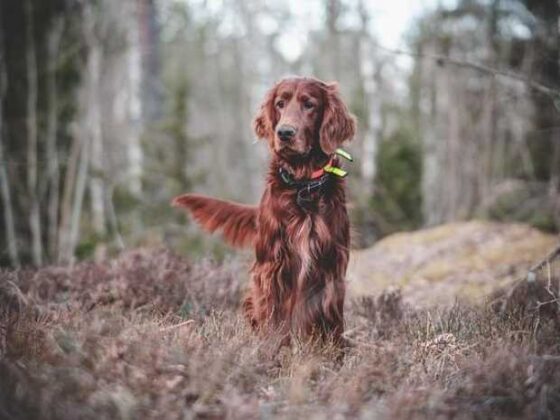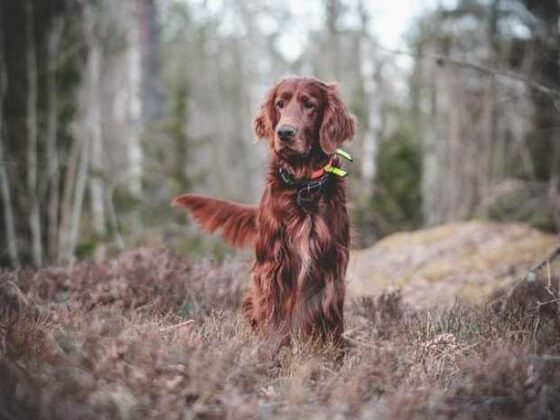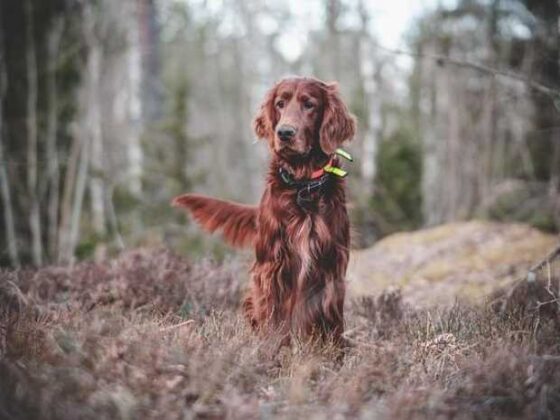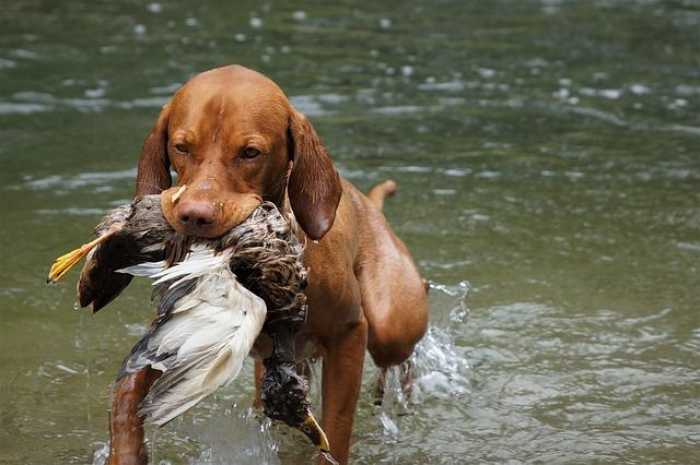
Hey there, fellow dog lovers! 🐾 Are you ready to turn your furry friend into a well-behaved superstar? Whether you’re wrestling with a puppy that just can’t stop nipping or an older dog that’s mastered the art of ignoring commands, you’ve come to the right place! “Unleash the Fun: Your Ultimate Guide to Dog Training!” is your go-to companion for making training a joy for both you and your pup. We’re here to ditch the stuffy training jargon and bring you practical tips, fun tricks, and heartwarming stories that’ll have you and your four-legged buddy wagging your tails in delight. so grab a treat (for your dog, of course) and let’s dive into a world where learning is fun, bonding is easy, and every day is an adventure! 🐕✨
Get Started on the Right Paw: choosing the Best Training Method for Your Pup
Choosing the right training method for your furry friend can make all the difference in their learning experience. Different pups respond to different techniques,so it’s key to find the approach that suits both their personality and your lifestyle. Here are a few popular training methods you might consider:
- Positive Reinforcement: This technique focuses on rewarding good behavior with treats, praise, or playtime. It’s all about highlighting what your pup is doing right!
- Clicker Training: A form of positive reinforcement where you use a clicker to mark desired behaviors, followed by a reward. the click sound helps your pup connect the dots.
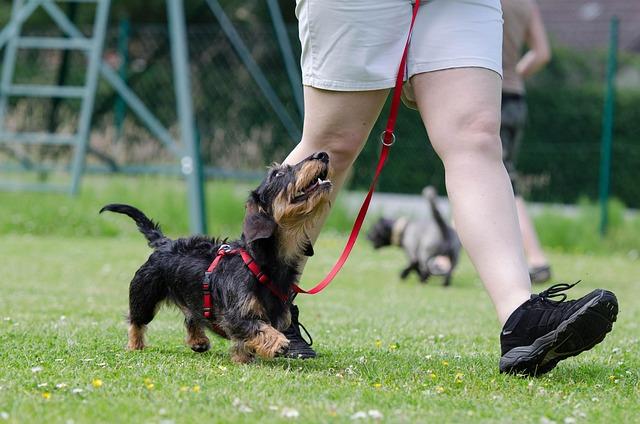
- Leash training: Vital for teaching your dog to walk nicely on a leash. It can prevent pulling and make walks more enjoyable for both of you.
- Socialization: introducing your dog to various environments,people,and othre animals helps them become well-adjusted. It’s essential for puppies but beneficial for dogs of any age!
| Training Method | Best For | Considerations |
|---|---|---|
| Positive Reinforcement | All breeds & ages | Requires patience & consistency |
| Clicker Training | Puppies & behavior issues | Need to have a clicker on hand |
| Leash Training | Active dogs & pullers | May take time to see results |
| Socialization | Puppies & timid dogs | Supervision is key! |
Before deciding, observe your pup’s unique personality. Some dogs thrive in structured environments, while others might flourish in more flexible settings. Above all, the most effective training method is one that builds trust and strengthens your bond. Remember, training should feel like a fun adventure for both you and your pup!
Bark It Out: Essential Commands Every Dog Should Know
Teaching your furry friend essential commands not only fosters a stronger bond but also ensures their safety and well-being. Start with fundamental commands such as “Sit”, “Stay”, and “Come”. These simple yet effective cues lay the groundwork for more advanced training. When your dog hears “Sit,” thay should plop down happily, while “Stay” instructs them to hold their position. “come” is crucial for recall, allowing you to summon your pup back to you, even in distracting environments.
In addition to the basics, consider incorporating fun commands that can spice up your training routine. Teach your dog to “Shake” or “Roll over”, which adds flair to their skill set and can impress your friends and family. For a complete training experience,explore the following commands:
- “Leave it”: Helps in preventing your dog from picking up unwanted objects.
- “Heel”: Encourages them to walk beside you on a loose leash.
- “Drop it”: Useful for emergency situations when your dog has something they shouldn’t.
- “Off”: A polite way to ask your dog to get down from furniture or people.
Keep It Fun: Creative Training Games to Engage Your furry Friend
Training your dog doesn’t have to feel like a chore; in fact,it can be the highlight of both your days! Incorporating games into your training routine transforms mundane commands into exciting challenges.One great idea is the “Find It” game, where you hide treats around your house or yard and encourage your dog to sniff them out.Another fun option is “Obstacle Course,” where you set up a mini agility course using everyday objects like chairs, hoops, or cushions. This not only provides physical exercise but also stimulates their minds!
Additionally, consider engaging your pup with “Hide and Seek.” This classic game can be played both indoors and outdoors. Wait for your dog to sit and stay, then hide and call their name. When they find you,shower them with praise and treats! For something more interactive,try “Simon Says.” Give commands and reward your dog for following them only when you say “Simon says.” This enhances their listening skills while keeping them on their toes.Here’s a fast breakdown of these games:
| Game | Description | Benefits |
|---|---|---|
| Find It | Hide treats for your dog to discover. | Enhances nose work; fun exercise. |
| Obstacle Course | Create a mini agility course. | Boosts physical agility and focus. |
| Hide and Seek | Hide and call your dog to find you. | Promotes recall and bonding. |
| Simon Says | Commands followed only on cue. | Improves listening skills. |
Troubleshooting 101: Common Behavioral Issues and How to Fix Them
Every pup is unique, and with that uniqueness can come a variety of behavioral quirks. From excessive barking and jumping on guests to stubbornness during walks, these issues can turn joyful training moments into frustrating experiences. Here are some common concerns and simple solutions to help you manage them:
- Barking at strangers: Try distracting your dog with treats when guests arrive or practicing the “quiet” command consistently.
- Jumping up: Teach your dog to greet people calmly by rewarding them when all four paws are on the ground.
- Pulling on the leash: Use positive reinforcement to encourage walking beside you and consider using a harness for more control.
Understanding that these behaviors are often a dog’s way of expressing excitement or anxiety can help you approach the problem with patience.Keep a log of your dog’s behavior to track patterns and progress:
| behavior | Possible Cause | Solution |
|---|---|---|
| Excessive barking | Boredom,anxiety | Increase exercise and mental stimulation |
| Destructive chewing | teething,boredom | provide chew toys,monitor them |
| Chasing | Instinctive behavior | Use a long leash to practice recall |
Q&A
Q&A: Unleash the Fun with Your Ultimate Guide to Dog Training!
Welcome to our guide on dog training that promises to be as entertaining as it is educational. If you’ve ever wondered how to turn your pup into a superstar or simply make your lives a little easier, you’re in the right place! Let’s dive into some commonly asked questions about dog training that you might find helpful (and fun!).
Q: Why is dog training vital?
A: Training helps strengthen the bond between you and your furry friend. It keeps both of you safe and ensures your pup knows what’s expected of them. plus, a well-trained dog is more fun to hang out with—less barking, jumping, or eating your favorite shoes!
Q: What’s the best method for training my dog?
A: There’s no one-size-fits-all approach! Positive reinforcement is a crowd favorite.think treats, praises, and belly rubs! The idea is to reward good behavior, making your dog associate being good with super fun things (like snacks!). Start with basic commands and gradually move on to more complex tricks once your pup gets the hang of it.
Q: How long should training sessions last?
A: Keep it short and sweet—about 5 to 10 minutes for puppies and a little longer for adult dogs. Remember, dogs have shorter attention spans than a kid in a candy store. A few concise, focused sessions each day will do wonders!
Q: What if my dog seems uninterested or distracted?
A: No worries! It happens. First, make sure the environment is calm—eliminate distractions like other pets or loud noises. If they’re still unresponsive, try sweeter treats or play their favorite game before training to get them excited. It’s all about making it fun!
Q: Can I train an older dog too?
A: Absolutely! it’s never too late for a dog to learn new tricks. Older dogs might take a bit longer, but their ability to learn is as sharp as ever. Just be patient and use lots of love (and treats)!
Q: How do I deal with bad behavior?
A: First, don’t panic—bad behavior is part of a dog’s learning process! redirect the naughty behavior by giving them an alternative to focus on (“Look at this awesome toy!”).And seriously, lots of praise when they do the right thing will encourage them to choose the right path next time!
Q: Any tips on teaching fun tricks?
A: Oh, yes! Start with simple tricks like “shake” or “roll over.” Break the trick down into small steps and reward them for each step they grasp. Be sure to keep training sessions light and joyful—your enthusiasm will be contagious!
Q: What should I do if I hit a wall in training?
A: It happens to the best of us! Take a break, change your approach, or even consult a trainer (they’re frequently enough full of fun, fresh ideas). Sometimes, just a different perspective can make all the difference!
Q: How do I make sure training is a positive experience for both of us?
A: Remember, training should be fun! Keep your energy high, celebrate small victories, and incorporate games. if you’re having fun, your dog will too. and always end on a high note—leave them wanting more!
Final Thoughts:
Training your pup doesn’t have to be a chore. It’s an opportunity for bonding, fun, and all sorts of wagging tails! So grab some treats, put on your game face, and let the training begin. Unleash the fun—it’s time to see what your dog can do!
To Conclude
And there you have it, folks! With these tips and tricks, you’re well on your way to becoming the dog-training maestro your furry friend has always dreamed of. Remember, the journey is just as important as the destination – so keep things fun, stay patient, and don’t forget to celebrate those little victories along the way!
Training your pup doesn’t have to feel like a chore. With a sprinkle of creativity and a dash of enthusiasm, you can make every training session an adventure for both of you. Whether you’re teaching basic commands or diving into more advanced tricks, the bond you’re building with your dog is priceless.
So, go ahead and unleash that fun! Grab those treats, don your best training hat, and get ready to embark on a delightful journey filled with laughter, tail wags, and perhaps a few happy howls! If you have any tips or funny training stories of your own, drop them in the comments below. We’d love to hear how you and your pup are living life to the fullest—together. Happy training, and may your days be filled with wagging tails and joyful barks! 🐾✨